Fueling Your Calm: How Good Food Can Support a Less Anxious Mind
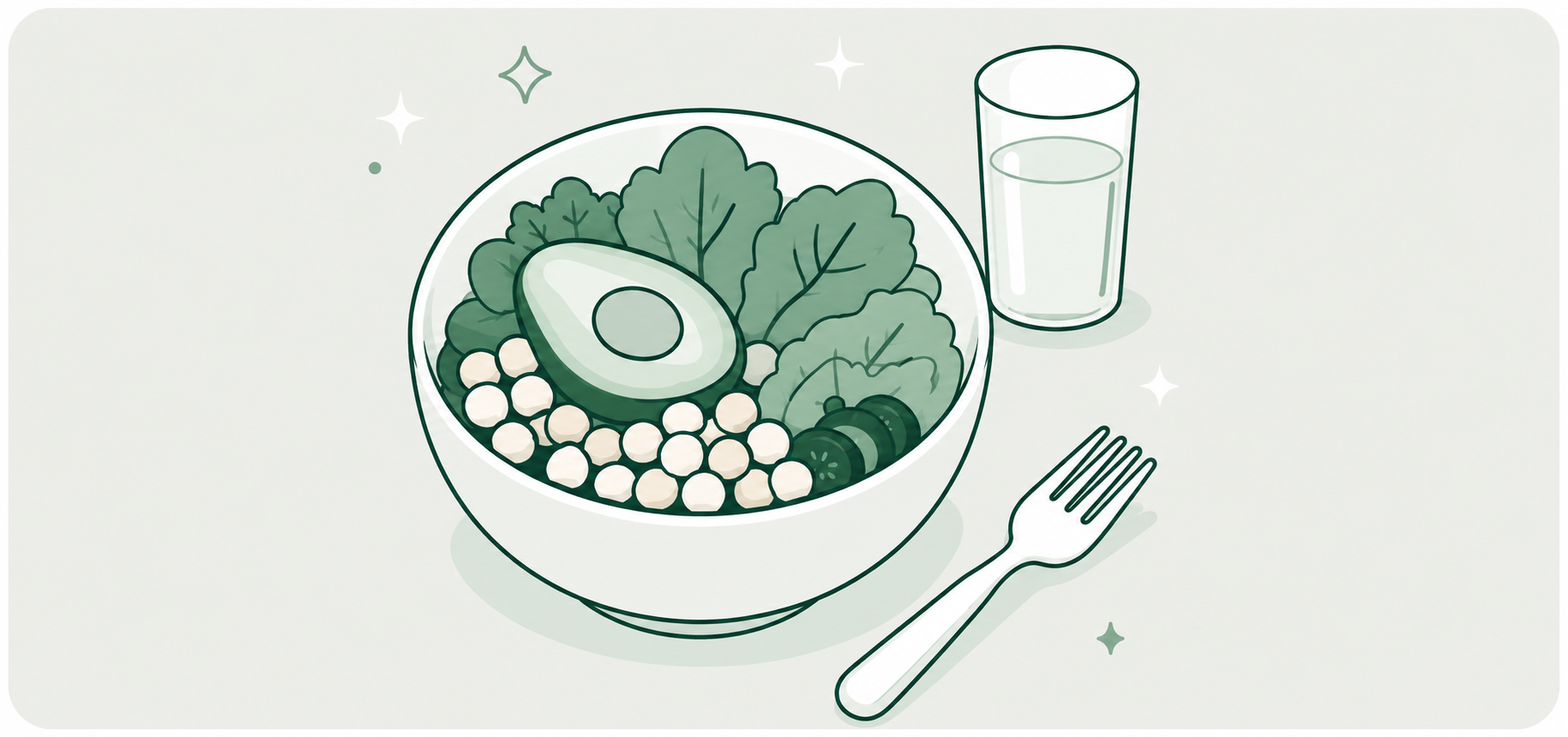
Life can sometimes feel like a whirlwind, and for many of us, anxiety can be an unwelcome passenger on that ride. While anxiety is a complex experience influenced by many factors, one powerful area we can explore for support is often right on our plates: the food we eat.
At Uplifz, we believe in empowering you with tools and insights for a more balanced and peaceful life. We're not here to offer medical advice or quick fixes, but rather to share evidence-informed perspectives on how nurturing your body with good food can play a significant, supportive role in managing feelings of anxiety and promoting overall wellbeing.
The Incredible Gut-Brain Connection
You might have heard the phrase "gut feeling," and there's more truth to it than you might think! Our gut is often called our "second brain" because it's home to trillions of microbes and a vast network of neurons that communicate directly with our brain. This two-way street, known as the gut-brain axis, is constantly exchanging information.
When our gut microbiome (the community of bacteria in our digestive system) is healthy and balanced, it can positively influence our mood, cognitive function, and even our stress response. An imbalanced gut, on the other hand, can sometimes contribute to feelings of anxiety and stress. This connection highlights why what we eat isn't just about physical fuel, but also about mental nourishment.
Foods That Befriend Your Calm
So, what kind of foods can help foster a more serene internal environment? Think whole, unprocessed foods that provide sustained energy and a wealth of nutrients.
Embrace Whole Grains
- Why they help: Complex carbohydrates found in whole grains like oats, brown rice, and quinoa provide a steady release of glucose into your bloodstream, preventing the energy crashes that can sometimes exacerbate feelings of anxiety. They also contain B vitamins, which are vital for nerve function and the production of mood-regulating neurotransmitters.
Lean Proteins for Building Blocks
- Why they help: Foods like chicken, turkey, fish, beans, lentils, and tofu are rich in amino acids, the building blocks of proteins. Tryptophan, for example, is an amino acid that the body uses to produce serotonin, a neurotransmitter known for its role in regulating mood and promoting feelings of wellbeing.
Omega-3 Fatty Acids: Brain's Best Friend
- Why they help: Found abundantly in fatty fish (salmon, mackerel, sardines), flaxseeds, chia seeds, and walnuts, omega-3s are crucial for brain health. They have anti-inflammatory properties and are thought to support neurotransmitter function, which can be beneficial for mood regulation.
Probiotic-Rich Foods for a Happy Gut
- Why they help: Fermented foods like yogurt (with live cultures), kefir, sauerkraut, and kimchi introduce beneficial bacteria to your gut. A healthy gut microbiome can produce beneficial compounds and even influence the production of neurotransmitters like serotonin, helping to calm the gut-brain axis.
Fruits and Vegetables: Nature's Antioxidants
- Why they help: Bursting with vitamins, minerals, and antioxidants, fruits and vegetables protect your brain cells from oxidative stress and inflammation. Dark leafy greens, berries, and colorful bell peppers are particularly potent. Their fiber content also supports healthy digestion and a balanced gut microbiome.
Foods to Approach with Awareness
Just as some foods can support calm, others, when consumed in excess, might inadvertently heighten feelings of anxiety for some individuals. It's about awareness and moderation, not deprivation.
Caffeine: A Double-Edged Sword
- Why to be mindful: While a morning coffee can be a pleasant ritual, too much caffeine can mimic symptoms of anxiety, such as a racing heart, nervousness, and jitters. Pay attention to how caffeine affects you personally and consider reducing your intake if you notice it's amplifying your anxiety.
Sugar and Refined Carbohydrates: The Rollercoaster Effect
- Why to be mindful: Foods high in refined sugar (like candy, sodas, pastries) and simple carbohydrates (white bread, pasta) can cause rapid spikes and crashes in blood sugar. These fluctuations can lead to irritability, fatigue, and heightened anxiety for some.
Processed Foods: Often Nutrient-Poor
- Why to be mindful: Highly processed foods often contain unhealthy fats, excessive sugar, and artificial additives, while lacking essential nutrients. A diet heavy in these foods can contribute to inflammation and an imbalanced gut, potentially impacting mood.
Alcohol: A Temporary Escape with Repercussions
- Why to be mindful: While alcohol might seem to offer temporary relief from anxiety, it's a depressant that can disrupt sleep patterns and worsen anxiety symptoms once its effects wear off. It can also interfere with neurotransmitter balance.
Beyond the Plate: Holistic Habits
Remember, nutrition is a powerful piece of the puzzle, but it's part of a larger picture of wellbeing.
- Stay Hydrated: Dehydration can impact mood and concentration. Make sure you're drinking enough water throughout the day.
- Mindful Eating: Pay attention to your hunger and fullness cues. Eating slowly and savoring your meals can reduce stress around food.
- Consistency is Key: Small, consistent changes often yield the best results. Don't aim for perfection, aim for progress.
- Embrace a Balanced Lifestyle: Combine good nutrition with regular physical activity, adequate sleep, stress-reducing practices (like meditation or deep breathing), and meaningful social connections.
Your Journey to Greater Calm
Exploring how good food can support your mental wellbeing is a wonderful act of self-care. By making conscious choices about what you eat, you're not just nourishing your body, but also offering a powerful layer of support to your mind.
If anxiety feels overwhelming or persistent, please remember that you don't have to navigate it alone. Reaching out to a mental health professional or your doctor can provide you with personalized strategies and support. Food is a fantastic ally, but sometimes, professional guidance is the most important step towards finding your calm.